Beginner’s Guide to Fotona Laser Treatments in Encino, CA
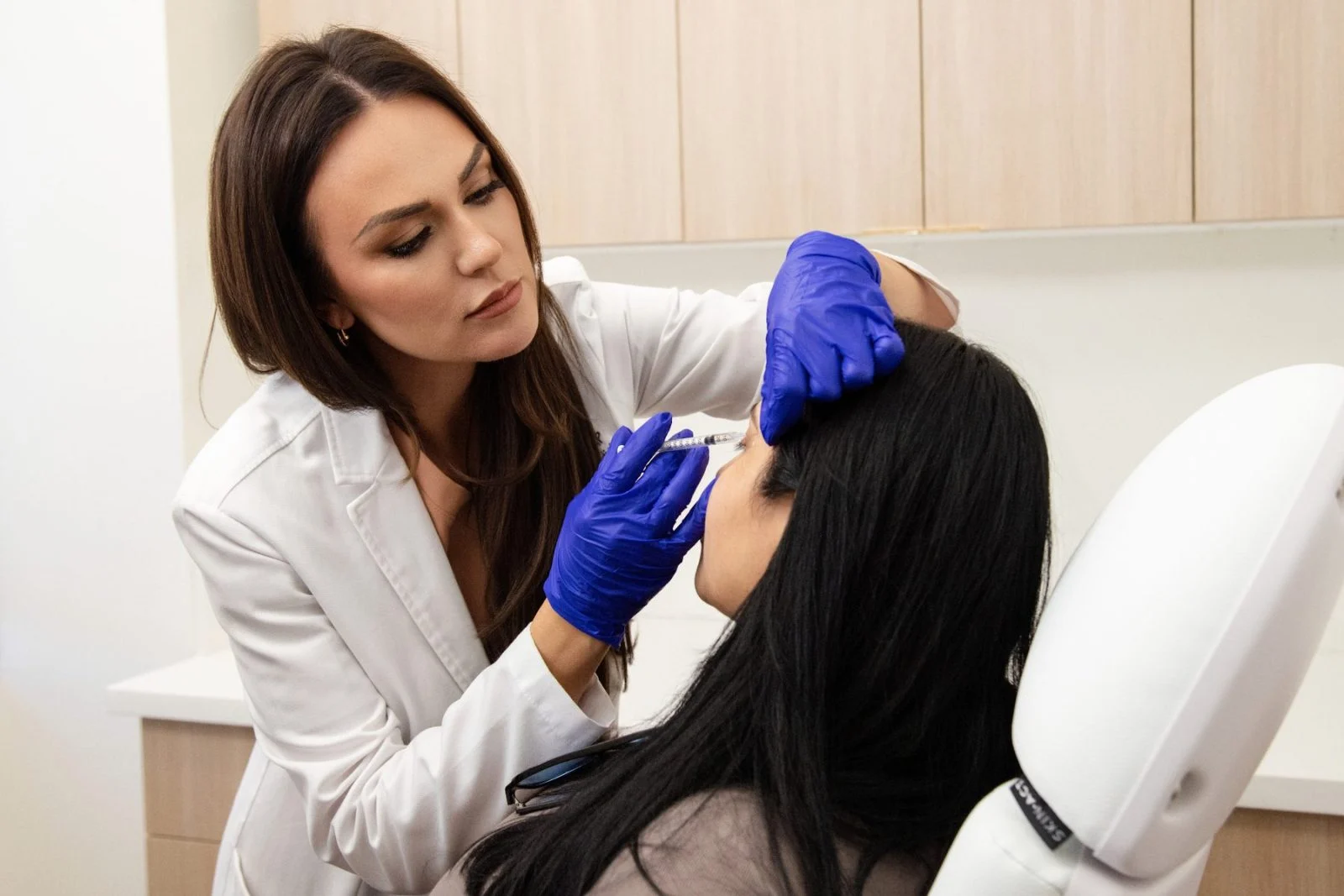
If you have started looking into non-surgical skin rejuvenation in Encino, chances are you have come across Fotona. It is one of those laser platforms that comes up again and again in aesthetic practices, and for good reason. It is versatile, well established, and capable of treating a surprisingly wide range of concerns without forcing every patient into the same one-size-fits-all protocol.
That said, “Fotona” is not a single treatment. It is a laser platform with different wavelengths, settings, and treatment approaches. For someone new to the category, the terminology can get confusing fast. Patients often arrive at a consultation saying they want “the Fotona laser,” when what they really mean is that they want help with loose skin, acne scarring, redness, textural roughness, under-eye crepiness, or a tired-looking complexion. The laser is simply the tool. The important part is matching the right settings and treatment plan to the actual problem.
For anyone exploring Fotona Laser Treatments Encino, CA, the best starting point is not the marketing name of a package. It is understanding what the technology does, what it does not do, and how to tell whether you are a good candidate.
What Fotona actually is
Fotona is a medical laser system commonly used in aesthetic and dermatologic treatments. Many practices use it because it allows providers to work with two different laser wavelengths, typically Nd:YAG and Er:YAG. Each behaves differently in the skin.
The Er:YAG side is often used for resurfacing. It can remove or heat very superficial layers of skin with precision, which makes it useful for texture, fine lines, enlarged pores, and certain types of acne scars. Depending on the settings, it can range from very light polishing to more aggressive resurfacing.
The Nd:YAG side penetrates more deeply and is often used for tightening, vascular concerns, and stimulating collagen in deeper layers. In some treatment protocols, it is used to heat tissue from within while leaving the surface relatively intact. That matters because it can offer visible improvement with less downtime than more aggressive ablative procedures.
This is why so many providers like it. A single platform can be adjusted to treat very different concerns. It is also why patients should be cautious about overgeneralizing from a friend’s experience. One person may have had a gentle lunchtime treatment with mild redness for a day. Another may have had a more intensive resurfacing session with peeling and several days of recovery. Both may say they “had Fotona,” but they did not have the same procedure.
Why patients in Encino are drawn to it
Encino patients tend to ask for treatments that improve skin quality without demanding a long social disappearance. That is especially common among professionals, parents, people on camera, and anyone trying to maintain results quietly rather than dramatically changing their appearance all at once.
Fotona fits that preference well. In experienced hands, it can be used for gradual, natural-looking rejuvenation. It appeals to people who want to look fresher, firmer, or smoother but do not necessarily want injectables, surgery, or a fully ablative laser with a week or more of obvious downtime.
The other reason it has gained traction is flexibility. A practice can use it for concerns around the eyes, mouth, cheeks, jawline, and even for issues like acne scars or superficial pigmentation, depending on the patient’s skin type and goals. In a community like Encino, where people often want tailored treatment rather than a generic med spa menu, that flexibility matters.
What concerns Fotona can help improve
A good Fotona treatment plan starts with a realistic goal. It can improve a lot, but “improve” is the right word. It does not replace a facelift, erase deep static folds in one visit, or magically remove every scar.
In day-to-day practice, Fotona is commonly considered for fine lines, crepey skin, uneven texture, enlarged pores, mild to moderate skin laxity, post-acne textural changes, and a generally dull or tired complexion. Around the eyes, certain protocols are often used to tighten delicate skin and soften that papery look that develops with age or sun exposure. Around the mouth, it may help with lipstick lines and surface roughness. Across the full face, it can support collagen remodeling and give the skin a firmer, more refined look over time.
It can also be useful for patients who are not ready for aggressive resurfacing. Some people need improvement but cannot accommodate a full week of healing. Others have skin that responds better to a series of moderate treatments than one intense session. That is where treatment planning becomes more important than brand recognition.
The most important question: are you a good candidate?
This is where experience matters. Good candidates are not simply people with a concern. They are people whose goals, skin characteristics, medical history, and tolerance for downtime match what the treatment can genuinely deliver.
A patient with early laxity, mild textural changes, and realistic expectations may be thrilled with Fotona. A patient with heavy jowling, very deep etched lines, or severe acne scarring may still benefit, but may need multiple sessions or a different modality altogether. The worst consultations are the ones where nobody says that clearly.
Skin tone also deserves careful attention. Not every laser setting is appropriate for every skin type. Some resurfacing approaches carry more risk of post-inflammatory hyperpigmentation in darker skin tones, especially if the treatment is too aggressive or aftercare is poor. That does not automatically rule out Fotona, but it absolutely changes how an experienced provider chooses settings, spacing, and pre-treatment skincare.
Sun exposure matters too. In Southern California, this is a major issue. A patient who spends weekends hiking, playing tennis, or driving around with inconsistent sunscreen use may not be an ideal candidate for certain resurfacing protocols at a given time. Even an excellent laser treatment can be undermined by poor sun behavior before and after the session.
What happens during a consultation
A thoughtful consultation for Fotona Laser Treatments Encino, CA should feel more like a skin assessment than a sales pitch. The provider should examine the areas that bother you, ask what changes you have noticed over time, review your history with melasma, scarring, cold sores, active acne, medications, isotretinoin use, and previous procedures, and discuss how much downtime you can truly tolerate.
One of the most revealing questions is simple: what would make this treatment feel worth it to you? Some patients want smoother makeup application. Some want under-eye tightening. Some want less crepiness on Zoom calls. Those are all different endpoints, and they may call for different settings or a completely different treatment plan.
Photos are often taken, and that is helpful. Patients frequently underestimate gradual improvement because they see themselves every day. Side-by-side images taken under the same lighting are often where subtle gains in texture and tightening become obvious.
This is also the time to ask direct questions. How many sessions are usually recommended for your concern? What does the first week look like? What side effects are common in your skin type? What alternatives would the provider consider if you were their family member? Clear answers are usually a good sign. Vague promises are not.
What the treatment feels like
The experience varies depending on how aggressively the skin is treated. Some Fotona sessions feel warm, prickly, and very tolerable, especially when the surface is not being heavily resurfaced. Others involve more heat, a snapping sensation, or a stronger stinging feeling, particularly in thinner skin or when more intensive settings are used.
Topical numbing is often used for resurfacing-style treatments, though not always for lighter sessions. Patients usually notice the most sensitivity around the upper lip, under the eyes, and along bony areas. For internal oral tightening components, such as when certain multi-step facial rejuvenation protocols treat tissue from inside the mouth, the sensation is unusual but usually manageable.
The treatment length can range from roughly 20 minutes for smaller areas or lighter passes to closer to an hour if multiple areas or steps are involved. That is one reason broad price comparisons can be misleading. You may be comparing a brief maintenance session to a layered treatment designed to induce more visible remodeling.
The first few days after treatment
Recovery is where expectations need to be specific. “Little downtime” can mean different things to different people. To one patient, it means slight redness that can be covered by the next day. To another, it means bronzing, roughness, and mild swelling for several days but still being able to work from home.
After lighter sessions, the skin may look flushed and feel warm for a few hours to a day. It may develop a dry, sandpapery texture as it renews. With stronger resurfacing, expect more obvious redness, puffiness, and peeling. Some patients describe the feeling as similar to a strong sunburn on day one, followed by tightness and flaking.
Strict sun protection is not optional. It is part of the treatment. Patients who are careful about shade, hats, and sunscreen tend to protect their results and lower the risk of pigment issues. Patients who go to brunch on a sunny patio the next day with no hat and minimal sunscreen often learn this the hard way.
Skincare after treatment is usually simplified. Gentle cleanser, bland moisturizer, sun protection, and a temporary pause on active ingredients like retinoids, exfoliating acids, and sometimes vitamin C, depending on the intensity of the session. A reputable office should give you very clear aftercare instructions instead of assuming you already know the routine.
When results show up, and how long they last
One of the trickiest parts of laser Fotona Laser Treatments Encino, CA OMNIA Wellness Center consultations is timing. Some changes appear quickly. Skin can look brighter, smoother, and more polished within days to a couple of weeks as the surface heals. Collagen-related tightening takes longer. That process unfolds over weeks and often several months.
This is why providers often recommend a series rather than a single treatment, especially for concerns like laxity, fine lines, or acne scars. A common range for non-ablative or moderate protocols may be around three sessions spaced weeks apart, though plans vary widely depending on the problem being treated. More intensive resurfacing may involve fewer sessions but more downtime.
Longevity depends on age, baseline skin quality, sun exposure, smoking, hormones, genetics, and what the patient does afterward. Good skincare and maintenance treatments usually extend the benefit. So does not tanning your face. That sounds obvious, but in practice it is one of the biggest factors affecting long-term satisfaction.
Fotona versus other laser options
Patients often ask how Fotona compares with devices they have heard about from friends, social media, or other offices. The honest answer is that comparison only makes sense when you are comparing a specific treatment goal.
If your main concern is pigmentation from sun damage, another laser or light-based system may be more directly suited. If your biggest issue is significant sagging, surgery may still be the more effective answer. If you want broad rejuvenation with a blend of tightening and texture improvement, Fotona can be a very strong option.
Where Fotona tends to stand out is in its ability to combine different treatment depths and tissue targets. That can create a layered rejuvenation effect. In practical terms, it means a provider may be able to address both surface quality and deeper support in the same treatment plan. That is valuable, especially for patients who want meaningful improvement without stepping immediately into more invasive territory.
Still, versatility should not be confused with superiority in every category. A good practitioner chooses the tool that best suits the patient, not the tool they happen to own.
Cost in Encino and what influences pricing
Pricing for Fotona in Encino can vary quite a bit, and that variation is not necessarily arbitrary. The final number often reflects the provider’s training, the treatment complexity, whether multiple steps are being performed in one visit, the size of the area treated, and how many sessions are recommended.
A small, targeted treatment around the eyes will not cost the same as a full-face rejuvenation session combining internal and external passes. A light maintenance treatment will not be priced like an intensive resurfacing appointment that requires numbing, more chair time, and more follow-up.
Patients should be careful with bargain shopping here. Lasers are highly operator dependent. When a treatment is priced far below the local norm, it is reasonable to ask what is being left out. It may be less treatment time, lighter settings, less customization, or simply less experienced hands. Sometimes that lower price is still appropriate. Sometimes it is not the deal it appears to be.
How to choose the right provider
The quality of the consultation often tells you almost everything you need to know. A strong provider will assess whether you are a fit, explain trade-offs, discuss alternatives, and be honest about limitations. They will not promise that a laser can replace surgery, and they will not skip over pigmentation risk if you have a history that warrants caution.
A few things are worth looking for:
- Experience with your specific concern and skin type.
- Clear before-and-after photos with realistic results.
- A willingness to discuss downtime honestly.
- Detailed aftercare instructions and follow-up support.
- A treatment plan that makes sense for your goals, not just the office’s inventory.
That short list matters because lasers are not like facials. Small decisions in energy, depth, overlap, and patient selection have a big impact on both safety and outcome.
Questions worth asking before you book
Most patients do better when they come into the appointment prepared. Not because they need to interrogate the provider, but because laser treatment is easier to navigate when expectations are precise. A consultation tends to be more productive when you ask practical questions instead of broad ones.
Ask what improvement is realistic for your main concern. Ask whether your goal usually takes one treatment or several. Ask what the recovery looks like on day one, day three, and day seven. Ask whether your current skincare products need to be stopped. Ask what the office does if you develop prolonged redness, breakouts, or post-treatment irritation.
These are not difficult questions, but they quickly separate a polished sales presentation from actual clinical guidance.
Common misconceptions that trip up beginners
One common misunderstanding is that laser tightening and resurfacing are instant. They are not. Even when early improvement is visible, the deeper remodeling is gradual. Patients who expect to look radically different in five days are often disappointed, even if the treatment is working exactly as intended.
Another misconception is that stronger is always better. In reality, the best result often comes from an intensity level that your skin can heal from predictably. Going too aggressive, especially in patients with pigment risk or active inflammation, can create problems that take far longer to fix than the original issue.
People also assume that because a treatment is non-surgical, it is casual. It is not. It still requires judgment, preparation, and disciplined aftercare. The procedure itself may be quick. The planning is what makes it worthwhile.
Preparing for your first appointment
Preparation is usually simple but important. Your provider may ask you to avoid heavy sun exposure before treatment, pause certain active skincare ingredients for a few days, and let them know about any history of cold sores if the area around the mouth is being treated. If you are prone to hyperpigmentation, they may adjust your skincare beforehand or recommend a more conservative starting approach.
On the day of treatment, arrive with clean skin unless told otherwise. If you wear contact lenses and the treatment will involve the eye area, ask whether you should bring glasses. If you have an event coming up, mention it. Timing matters. Even mild procedures can leave residual redness or roughness longer than expected in some patients.
The best candidates are not the ones who chase the most aggressive option. They are the ones who understand the process and choose a treatment plan they can realistically support.
A practical way to think about Fotona
Fotona works best when you think of it as a flexible laser platform rather than a miracle category. It is not there to transform every face in a single session. It is there to improve skin quality, support collagen remodeling, and treat selected concerns with a balance of effectiveness and manageable downtime.
For many patients in Encino, that balance is exactly the appeal. They want visible improvement, but they want it to look like themselves on a very good month, not like they disappeared and came back with a new face. When that is the goal, and when the treatment is matched well to the patient, Fotona can be an excellent choice.
The key is not just finding a place that offers the device. It is finding a provider who knows when to use it, when to adjust it, and when to recommend something else. That judgment is what turns a promising technology into a treatment that is actually worth your time.
OMNIA Wellness Center
Address: 16430 Ventura Blvd Ste 207, Encino, CA 91436
Phone number: +18183868511
FAQ About Fotona Laser Treatments Encino, CA
What is a Fotona laser good for?
A Fotona Laser system is a versatile, dual-wavelength medical laser used primarily for non-surgical skin tightening, anti-aging rejuvenation, and dermatological treatments.
How much does the Fotona laser cost?
The cost of a Fotona laser depends heavily on whether you are looking to purchase a laser machine for a medical practice or are a patient seeking a laser treatment at a medspa.
Is a Fotona laser worth it?
A Fotona laser treatment is generally worth it if you want non-surgical skin tightening, improved texture, and collagen stimulation with very little downtime.