Fotona 4D Laser Facial (TimeWalker) Encino, CA: Tips for First-Time Patients
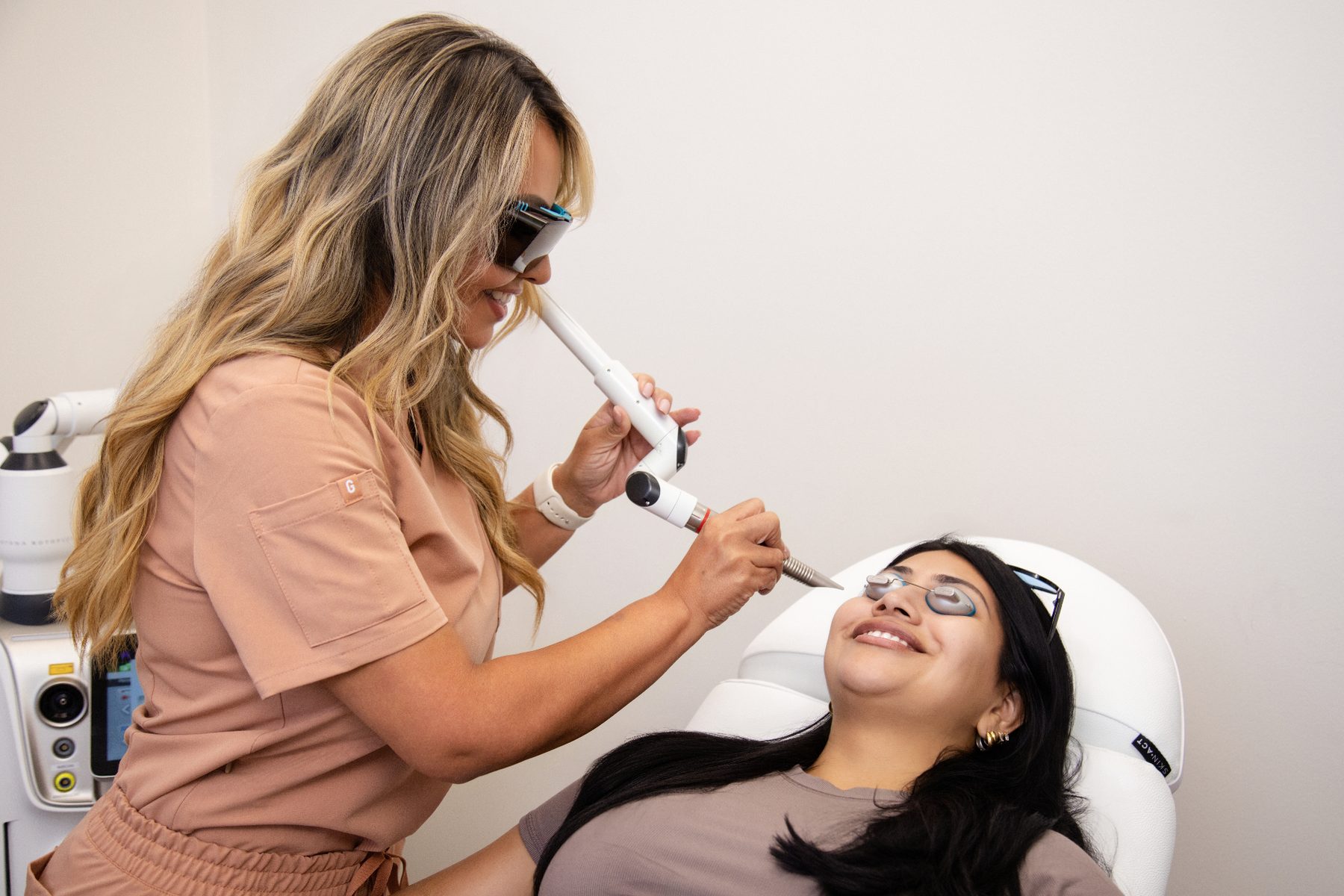
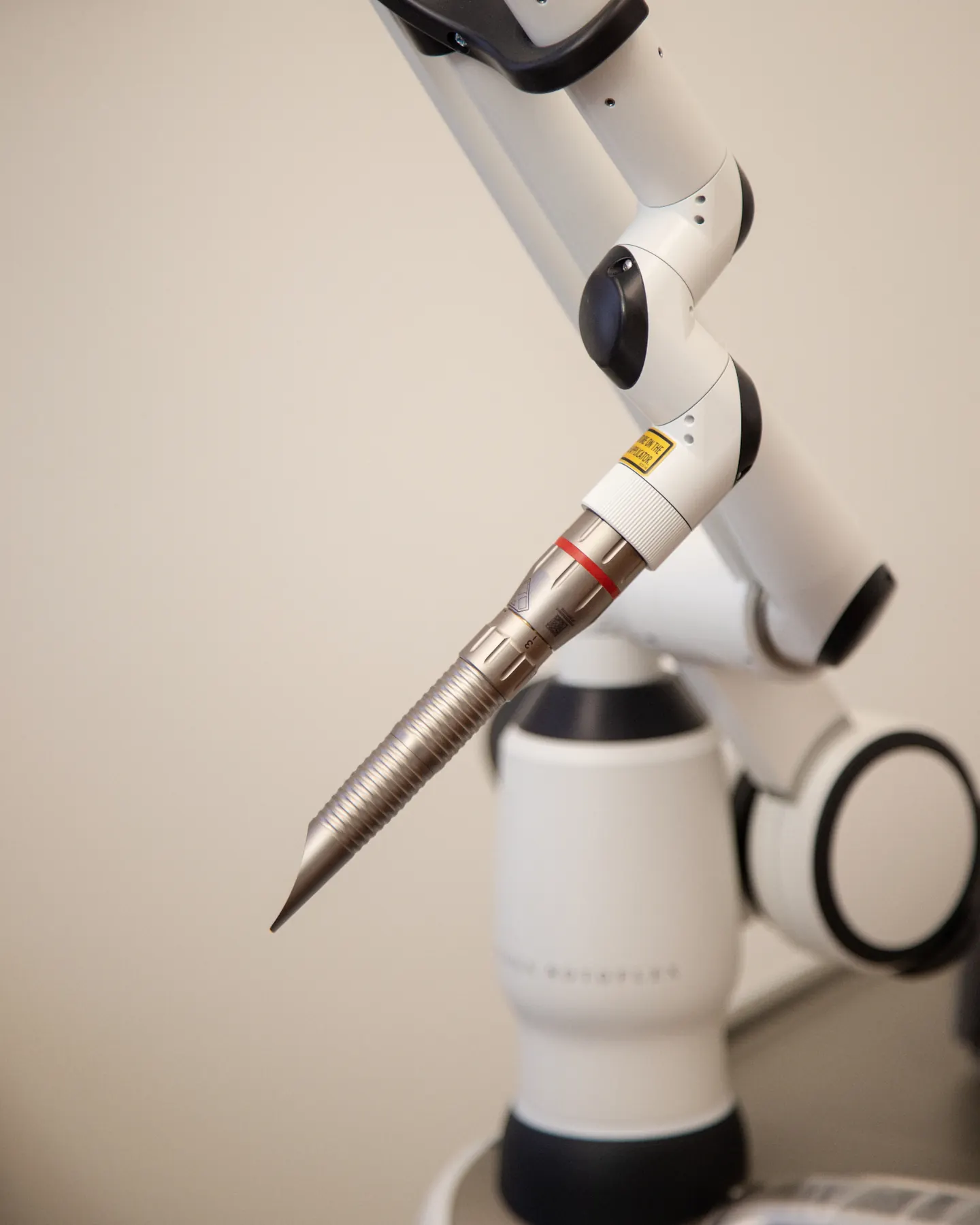
A first laser appointment tends to bring two competing thoughts. One is optimism. The other is a very practical question: what exactly is going to happen to my face?
That tension is normal, especially with a treatment name that sounds more technical than familiar. The Fotona 4D Laser Facial, often associated with the TimeWalker platform, is popular because it aims to improve tone, texture, laxity, and overall skin quality without the downtime many patients expect from more aggressive resurfacing. It also tends to attract first-time laser patients who want visible improvement but are not interested in disappearing from work or social life for two weeks.
If you are considering a Fotona 4D Laser Facial (TimeWalker) Encino, CA, the best preparation is not hype. It is knowing what the treatment is designed to do, who tends to do well with it, what the visit feels like, and where expectations need to stay realistic. Those details matter more than any before-and-after image you saw on social media.
What makes Fotona 4D different from a standard facial
Despite the word facial, this is not a spa treatment. It is a multi-step laser procedure that works on different tissue depths using complementary modes. The reason patients and providers like that approach is simple: aging does not happen at one level only. Skin changes can show up as surface roughness, fine lines, early laxity, creasing around the mouth, and a general loss of brightness. A single superficial treatment does not always address that full picture.
Fotona 4D is often described as four dimensions or four steps because it combines several treatment phases. One of the signature features is the intraoral portion, where the laser is used inside the mouth to heat tissue around the perioral area and cheeks. That sounds unusual the first time you hear it, but it is one of the reasons this treatment stands apart. It targets support from inside as well as from the outer skin surface.
Patients in Encino often ask whether this is more about tightening, resurfacing, or glow. The honest answer is that it sits in the middle of those categories. It usually does not tighten like surgery, and it usually does not peel like an aggressive ablative laser. What it often does well is nudge several concerns in the right direction at once. For the right patient, that balanced improvement is more appealing than a dramatic but downtime-heavy intervention.
The kind of patient who usually does well
The best first-time candidates are often people who have started noticing a tired look rather than a single severe issue. Maybe makeup settles differently than it used to. Maybe the lower face feels a bit heavier, the smile lines linger, or the skin has lost some snap. Maybe there is mild acne texturing, enlarged pores around the nose and cheeks, or crepiness around the mouth.
This treatment can be a good fit for someone who wants meaningful improvement but still needs to go to meetings, school pickup, or dinner within a day or two. In real practice, that matters. Not everyone can schedule a week of hiding.
It may also appeal to patients who are not ready for injectables, want to complement injectables, or have done lighter facials and feel they have plateaued. I have seen many first-timers come in saying they want to “look fresher” but cannot define it beyond that. Treatments like this often work best for that exact goal, provided the patient understands the results are gradual and cumulative.
On the other hand, if your main issue is deep etched lines, significant skin laxity, heavy jowling, or severe sun damage, a Fotona 4D series may help, but it may not be the most efficient standalone answer. Good providers say that plainly. A consultation should include alternatives, not just enthusiasm.
Why the consultation matters more than the treatment name
A common mistake is shopping by brand name alone. The platform matters, but the consultation matters more. Two clinics can offer the same device and deliver a very different patient experience, depending on treatment settings, operator skill, how thoroughly your skin is assessed, and whether someone is honest about fit.
For a Fotona 4D Laser Facial (TimeWalker) Encino, CA, the provider should look at far more than wrinkles. They should ask about skin sensitivity, melasma history, active acne, cold sores, rosacea tendency, recent tanning, medications, prior lasers, fillers, and how much downtime you can realistically tolerate. If that sounds basic, it is, but rushed consultations still happen.
They should also assess whether your goals are better matched to another treatment. Sometimes a patient comes in asking for lifting but really needs volume restoration. Sometimes someone wants pore refinement and would do better with a resurfacing-focused plan. Sometimes the right answer is combining treatments over time rather than overselling a single session.
Encino patients often live in strong sun for much of the year, and that changes the planning. Sun exposure before and after laser care is not a minor detail. If you are outdoors often, play tennis, hike, or drive long stretches in bright light, that needs to be built into your timing and aftercare.
What the appointment usually feels like
The fear most first-time patients have is not about results. It is about pain and recovery. The good news is that many people find the treatment much more tolerable than they expected, though comfort varies by settings and by individual pain threshold.
The intraoral step can feel odd rather than painful. There is warmth and pressure, and some areas near the corners of the mouth may feel more intense. The external steps usually feel like bursts of heat or snapping warmth across the skin. Certain zones, especially around the mouth, jawline, and nose, tend to be more noticeable.
Topical numbing is handled differently by clinic, and some providers use it selectively. Cooling, careful pacing, and clear communication during the session make a big difference. The treatment is often very manageable when the operator is experienced and checks in frequently.
Afterward, many patients look flushed, like they got too much sun or had a vigorous workout. Some swelling, especially around the mouth or under the eyes, is not unusual. Depending on the settings used, there can also be a dry, rough, sandpapery feel for a few days as the skin turns over. The intensity of that varies. A lighter treatment may leave you pink for a day. A stronger session may make you look puffy and feel dry for several days.
That range is exactly why first-time patients should avoid scheduling this right before a wedding, reunion, TV appearance, or professional photoshoot. Even when downtime is called minimal, real skin does not read marketing language.
A realistic timeline for results
One of the most useful mindset shifts is understanding that laser collagen remodeling is not instant gratification. You may notice some short-term brightness or tightness once swelling settles, but the structural changes happen over weeks and often months.
For many patients, the first visible changes are subtle. Skin may look smoother, fresher, or a little more refined around the pores. The mouth area may seem less creased. Makeup may apply better. Friends may comment that you look rested without knowing why. Those are often the early wins.
More meaningful improvement in texture and firmness tends to build gradually, especially if you do a recommended series. A provider who promises a facelift effect from one session is overselling. A provider who explains that one treatment can be worthwhile but multiple sessions often produce better cumulative change is being much more credible.
This matters emotionally. Patients who expect a dramatic overnight transformation are often disappointed by a treatment that is actually working as intended. Patients who expect incremental, layered improvement are usually happier.
Timing your first session in Encino
Where you live affects laser planning more than many people realize. In Encino, sun exposure is not only seasonal. It is part of daily life. Even incidental exposure while driving, running errands, sitting near windows, omniawellnesscenterencino.com Fotona 4D Laser Facial (TimeWalker) Encino, CA or walking the dog can matter when your skin is healing.
If you have a beach vacation, ski trip, outdoor wedding, or a week of heavy sun coming up, it is often smarter to wait. Likewise, if you have been tanning, using self-tanner heavily, or have any recent sunburn, your provider may postpone treatment. That is not them being overly cautious. It is basic risk management.
A practical window for many first-time patients is when they have at least several low-key days afterward and can be disciplined about sunscreen, hats, and avoiding heat. If you know you are not someone who will reapply sunscreen or skip a sweaty hike for a few days, be honest about that. A treatment plan should fit real life.
Skin prep that actually matters
Patients often overcomplicate prep and underplay the essentials. The fundamentals are less glamorous but far more important. Your skin should be calm, not irritated. That means avoiding anything that leaves you flaky, raw, or inflamed in the days leading up to the appointment.
Strong exfoliants, retinoids, harsh scrubs, waxing in the treatment area, and excessive sun exposure are common avoidable mistakes. If you are acne-prone, you also want to minimize the chance of arriving with active irritation from trying a new product the week before.
If you have a history of cold sores and the mouth area will be treated, tell your provider well in advance. This is one of those details patients forget until the day of treatment, and it should not be an afterthought.
Here is the short version of smart prep:
- Keep skin out of the sun and stop tanning well before your appointment.
- Pause irritating actives if your provider advises it, especially retinoids and strong acids.
- Arrive with clean skin and no makeup, or be prepared to remove it there.
- Mention any history of cold sores, pigment issues, or recent procedures.
- Do not schedule your first session right before a major event.
That list is simple because the basics usually carry the most weight.
The aftercare period, where good outcomes are often protected or lost
Post-treatment care is where many first-time patients get casual, especially if the redness seems mild. That is a mistake. Skin can look only a little pink and still be vulnerable.
Most providers recommend gentle cleansing, bland hydration, and strict photoprotection. “Gentle” means genuinely gentle, not just a cleanser marketed that way. If your face feels hot, tight, or rough, do not test your tolerance with acids, exfoliating pads, vitamin C serums that sting, or your strongest retinol because you are eager to speed up results. Irritated skin rarely rewards impatience.
Heat can also be an issue. Hot yoga, steam rooms, saunas, and hard workouts too soon after treatment can aggravate redness and swelling. The same goes for picking at any roughness or micro-crusting if present. The skin often improves best when left mostly alone.
Some makeup can be worn fairly soon depending on the treatment intensity and provider instructions, but many patients are happier if they give their skin a little breathing room. A tinted mineral sunscreen often carries people through that in-between period better than full coverage foundation pressed onto dry texture.
Questions worth asking before you book
First-time patients often focus on pricing and package deals, but the better questions are about judgment and execution. A polished website does not answer those for you.
Ask these instead:
- Am I a good candidate for this specific treatment, based on my skin type and goals?
- How many sessions do you typically recommend for someone like me?
- What kind of downtime should I expect with the settings you plan to use?
- What are the main risks for my skin, especially pigment changes or cold sore flares?
- If this is not the best option, what would you recommend instead?
Those questions tend to reveal whether you are dealing with a thoughtful clinician or a sales conversation.
Common worries first-time patients bring up
One frequent concern is hyperpigmentation. That concern is valid, especially in patients with more reactive skin or a history of post-inflammatory pigmentation. It does not mean the treatment is off-limits, but it does mean your provider should plan carefully and speak specifically about risk reduction. Generic reassurance is not enough.
Another concern is whether the treatment will make the face look “done.” That is one of the appealing aspects of Fotona 4D for many patients. It usually does not create the abrupt, highly noticeable shift associated with overfilled cheeks or a heavy-handed cosmetic change. People often notice that you look improved, not altered. For many adults, especially professionals who do not want comments at work, that is exactly the goal.
Patients also ask whether this replaces injectables. Sometimes it reduces the urgency for them. Sometimes it complements them beautifully. But it is not a direct replacement in every case. Laser can improve skin quality and support, while filler replaces volume and neuromodulators relax dynamic movement. Those are different tools. Good planning means not pretending they are interchangeable.
Cost, value, and the temptation to chase the lowest price
Pricing varies by market, provider experience, and what is included in the treatment plan. A single session can be meaningful, but many practices recommend a series for more substantial change. That can make the upfront cost feel significant.
The mistake is comparing prices without comparing the actual treatment, operator expertise, and follow-up. A lower number is not automatically better value if settings are too conservative to make a difference, if the consultation is rushed, or if there is little aftercare support. At the same time, the highest price is not proof of excellence either. You are looking for transparency, skill, and an honest match between what the treatment can do and what you expect it to do.
This is especially true in a competitive aesthetic market like Encino, where marketing is sophisticated and promotional language is abundant. The smartest patients listen for restraint. Providers who can explain limitations clearly usually understand the treatment better than those who promise broad transformation.
What I wish more first-time patients knew
The biggest surprise for many people is that success is often judged in ordinary, almost unphotogenic ways. Your skin catches the light better. The lower face seems less tired. Fine lines around the mouth soften. Pores look a bit cleaner and tighter. You spend less effort trying to create glow with products. Those improvements can be meaningful even if they are not dramatic on day one.
Another truth is that the best outcomes often come from consistency, not one heroic treatment. Patients who pair an appropriate laser plan with good home care, daily sunscreen, and sensible timing usually get farther than patients who bounce from one trendy treatment to the next.
Finally, nerves are normal. I have yet to meet a first-time laser patient who walks in completely casual if they have done even a little homework. The treatment room feels less intimidating once someone explains the steps, checks Fotona 4D Laser Facial (TimeWalker) Encino, CA comfort, and sets expectations that match reality. That is what good care feels like. Not flashy, not vague, and not rushed.
If you are deciding whether to try it
If your goals are mild to moderate rejuvenation, a fresher look, smoother texture, and some tightening without major downtime, the Fotona 4D Laser Facial can be a compelling option. For the right patient, it occupies a useful middle ground between superficial facials and more aggressive resurfacing.
If you are exploring a Fotona 4D Laser Facial (TimeWalker) Encino, CA, choose the provider with more care than the treatment itself. Ask how they tailor settings. Ask what they would tell a patient not to do. Ask what your skin is likely to look like on day two, not just month two. The quality of those answers will tell you a great deal.
A first treatment should feel informed, not mysterious. When you understand the trade-offs, the expected timeline, and the purpose of each step, you are much more likely to feel calm walking in and satisfied walking out. That alone improves the experience, and often the outcome too.
OMNIA Wellness Center
16430 Ventura Blvd Ste 207, Encino, CA 91436
Phone: +1 818-386-8511
FAQ About Fotona 4D Laser Facial (TimeWalker) Encino, CA
What is a Fotona laser good for?
Fotona lasers support several different aesthetic protocols. The Fotona 4D facial uses two wavelengths and four treatment modes to address concerns such as fine lines, skin texture, and mild laxity. OMNIA Wellness Center offers the TimeWalker facial with an individual consultation. Suitability and likely improvement depend on the person's skin and goals; results are not guaranteed, and this treatment does not reproduce a surgical facelift.
How much does a Fotona laser treatment cost?
The cost depends on the treatment protocol, areas treated, number of sessions, and provider's assessment. Ask OMNIA Wellness Center for a current written quote that explains what is included, whether follow-up is included, and any proposed package terms. An individualized estimate is more useful than assuming that one advertised price applies to every facial treatment.
How much downtime is there after a Fotona laser procedure?
Recovery varies with the specific protocol and intensity. Fotona describes its 4D facial as having little to no downtime, but temporary redness or sensitivity can occur, and a stronger surface treatment can require more recovery. Ask the treating clinician what to expect from the planned settings, how to care for the skin afterward, and when to contact the clinic with concerns.