Fotona 4D Laser Facial (TimeWalker) in Encino, CA for a Brighter, Smoother Finish
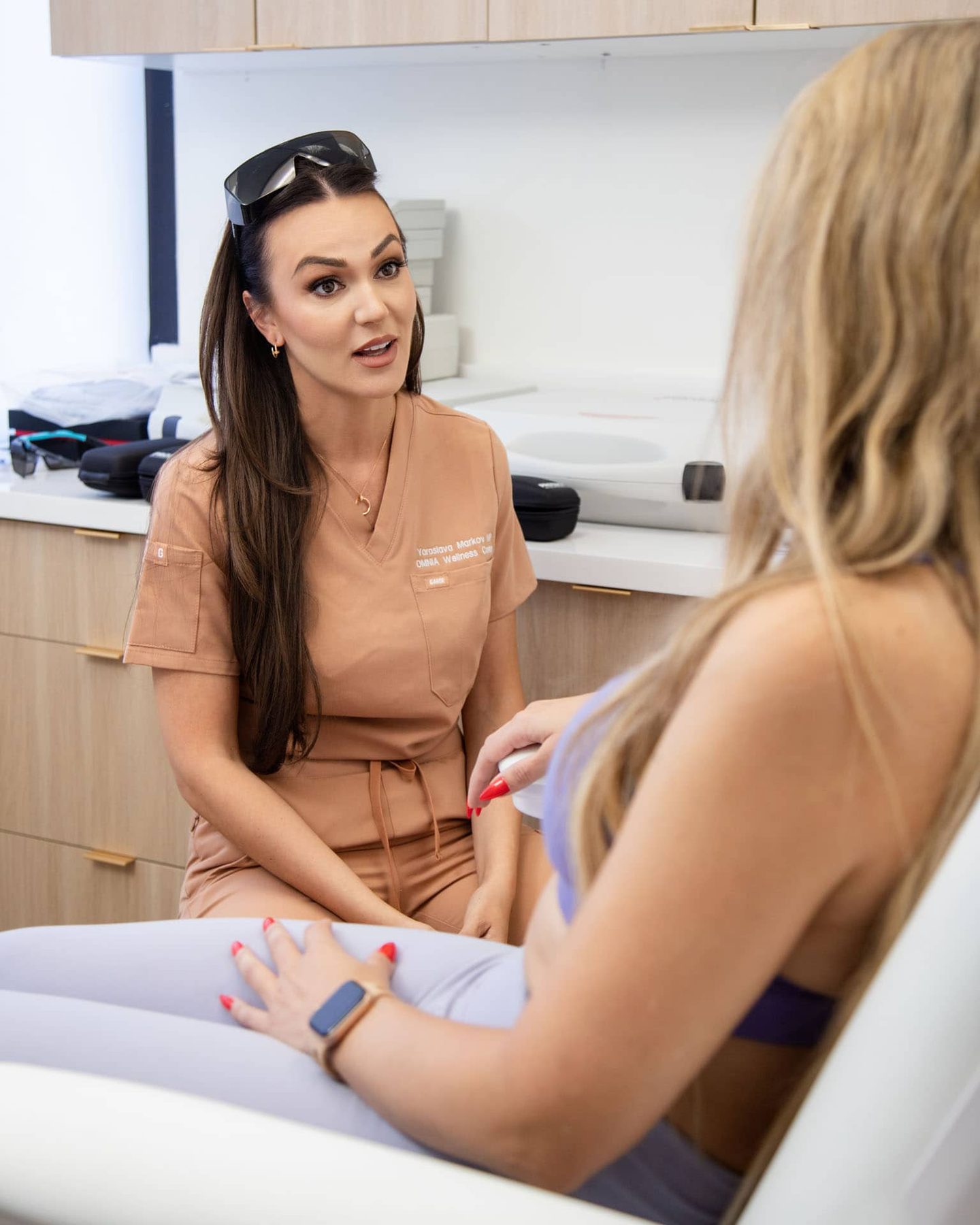
Skin rejuvenation treatments tend to fall into two broad camps. Some are gentle enough to fit into a lunch break but offer only subtle change. Others create more dramatic improvement, though they ask for downtime, careful aftercare, and a bit more patience. Fotona 4D sits in an interesting middle ground. It is designed to improve tone, texture, fine lines, and overall skin quality by working on several layers of tissue in a single session, without surgery and usually without the kind of extended recovery people associate with ablative resurfacing.
For patients exploring a Fotona 4D Laser Facial (TimeWalker) in Encino, CA, that middle ground is often the appeal. They want skin that looks fresher and smoother, but they do not necessarily want weeks of peeling, social downtime, or the uncertainty that comes with chasing trends. They want a treatment that feels technically sound, adaptable, and worth the time. That is where understanding the treatment matters. The name sounds sleek, but what really matters is how it works, who tends to respond well, and what kind of results are realistic.
What Fotona 4D actually is
Fotona 4D is a multi step laser treatment that combines different modes to target the skin from the inside and the outside. Depending on the device platform and treatment plan, the provider may use intraoral delivery inside the mouth along with external passes across the face. The broad idea is simple. One part supports tightening and collagen remodeling in deeper tissue. Another addresses superficial texture, brightness, and fine lines. When done thoughtfully, the combination can create a refreshed look that reads as healthier skin rather than skin that has obviously been treated.
That distinction matters more than most people expect. A lot of patients do not come in asking for a laser because they love lasers. They come in because they notice a tired cast around the mouth, a crepey quality at the cheeks, mild laxity along the jawline, or makeup that no longer sits the way it used to. They want to look rested. They want less roughness when they wash their face at night. They want to catch their reflection in natural light and not immediately zero in on unevenness.
TimeWalker platforms are often associated with Fotona’s updated interface and treatment versatility, but the principle remains the same. A provider is layering energy in a strategic sequence rather than using one single pass and hoping for a broad miracle. That layered approach is one reason the treatment has earned interest among people Fotona 4D Laser Facial (TimeWalker) Encino, CA who are not quite ready for more aggressive resurfacing.
Why patients in Encino ask about it
Encino has no shortage of people who are informed about aesthetics. Many have already tried peels, microneedling, light based treatments, medical facials, and neuromodulators. By the time they ask about Fotona 4D, they are usually not beginners. They have a sense of their skin, and they know the difference between glow and structural change.
In a place where schedule matters and sun exposure is a year round concern, treatments with manageable recovery often stand out. That does not mean no downtime at all. Skin can look flushed, feel warm, or have a dry, slightly rough texture for a few days depending on settings and treatment intensity. But compared with deeper resurfacing approaches, Fotona 4D is often chosen because it can fit more realistically into work, family, and social life.
There is also the issue of cumulative aging. Southern California patients often show a mix of concerns rather than one isolated problem. Sun exposure, volume changes, dehydration, fine lines around the mouth, mild laxity, visible pores, and patchy texture can all show up at once. Treatments that only target one layer may leave people partly satisfied but still vaguely disappointed. Multi layer approaches tend to make more sense in that setting.
The four dimensions, translated into plain English
One reason laser consultations can feel overwhelming is that device names and branded steps often sound more complex than they need to. The practical takeaway is that Fotona 4D uses multiple treatment modes to affect different tissue depths and skin concerns in one appointment or treatment plan.
A typical explanation might include internal tightening through the mouth area, deeper fractional heating, and a lighter surface polishing component. Each has its role. The intraoral part is often discussed for the perioral region and nasolabial area because it works from the inside where structural support matters. Deeper external passes can help with collagen stimulation and mild tightening. Superficial finishing passes are usually what people associate with brightness and smoother texture.
Patients often notice the surface changes first. Skin may look clearer, a little tighter, and more refined. The structural improvement tends to build over time as collagen remodeling unfolds. That delayed improvement is one of the most important things to understand before booking. If someone wants a single event driven treatment and expects instant lifting that rivals a surgical procedure, they may be disappointed. If they want progressive refinement with visible yet natural improvement, the treatment tends to make more sense.
What a session usually feels like
Experiences vary by provider technique, settings, and individual sensitivity, but most patients describe the treatment as tolerable. Warmth is the dominant sensation. Some stages feel like quick snaps of heat, while others feel more like a heated glide. The intraoral portion can feel unusual the first time, not necessarily painful, just unfamiliar. Good communication during the procedure makes a big difference.
Numbing may or may not be used depending on the treatment depth and the provider’s protocol. Some clinicians prefer topical numbing for comfort, especially when the surface passes are more assertive. Others tailor the session so the treatment remains comfortable without heavy numbing. If someone is very pain sensitive, it helps to say that early rather than trying to power through the appointment.
The full visit usually takes longer than the laser time itself. Photography, skin assessment, cleansing, topical preparation if used, and post treatment instructions all add up. People who plan for a quick in and out visit are often surprised. It is smarter to block enough time, especially for a first session, so the appointment does not feel rushed.
Who tends to be a good candidate
The best candidates are usually people with mild to moderate signs of aging who want improvement in skin texture, luminosity, early laxity, and fine lines without surgery. Many are in that in between phase where skincare alone no longer feels sufficient, but a more aggressive laser or surgical option feels premature.
Good candidacy is not just about age. It is about tissue quality, expectations, medical history, sun habits, and tolerance for aftercare. Someone in their thirties with early textural change may benefit. So might someone in their fifties who has decent elasticity and wants a non surgical refresh. On the other hand, a patient with significant skin laxity or deeper etched wrinkles may need a different strategy or a combination plan.
Providers also need to consider pigment behavior, especially in patients who tan easily or have a history of post inflammatory hyperpigmentation. That does not automatically rule out treatment, but it raises the importance of timing, settings, skin prep, and aftercare. Experienced laser providers do not treat every face the same way. They read the skin in front of them.
Where Fotona 4D shines, and where it does not
One of the strongest uses for Fotona 4D is global rejuvenation. It is not just a spot treatment for one wrinkle. It is better understood as a quality of skin treatment that can also soften early signs of sagging and creasing. That makes it appealing for patients who say, “I look fine from far away, but up close my skin looks tired.”
It can be especially useful around the mouth and lower face, areas that often betray age early. Fine smoker’s lines, even in people who have never smoked, can start to show. The upper lip may flatten. The corners of the mouth can feel shadowed. Treatments that stimulate the tissue from both internal and external angles can be more nuanced here than a single superficial pass.
Still, the treatment has limits. Deep static folds, major jowling, significant volume loss, and heavy eyelid laxity usually need a broader plan. Sometimes that means combining lasers with injectables. Sometimes it means energy based tightening, resurfacing, or surgery is more appropriate. Patients appreciate honesty on this point. Most would rather hear, “This will help, but it will not do everything,” than get an oversold promise.
What results look like in real life
The word “results” can be slippery in aesthetics because it means different things to different people. One patient is thrilled Fotona 4D Laser Facial (TimeWalker) Encino, CA if foundation goes on better and pores look less obvious. Another is only satisfied if the jawline appears visibly firmer in photos. Both perspectives are valid, but they are not the same benchmark.
Most people notice a sequence. First comes a short term glow, often tied to mild swelling, better hydration, and fresh surface turnover. Then, over the following weeks and months, skin may feel firmer and look smoother as collagen remodeling develops. The improvement is usually not cartoonishly dramatic. It is more the sort of change that prompts comments like, “You look rested,” or, “Your skin looks really good lately.”
A practical way to think about it is this. Fotona 4D often improves the canvas. Pigment, very deep lines, broken capillaries, and major laxity may still need their own dedicated solutions. But when the canvas improves, everything else tends to look better too, including bare skin.
How many treatments are usually needed
This is where provider judgment matters. Some patients do well with a single treatment followed by maintenance, especially if their concerns are mild and they are already consistent with skincare. Others benefit more from a series. It is common in aesthetic medicine for collagen based treatments to work best when stacked over time rather than treated as one dramatic event.
A fair consultation usually frames treatment plans in ranges rather than absolutes. Skin age, degree of laxity, texture, lifestyle, smoking history, and sun exposure all influence how much response a person can expect. A patient with good baseline skin quality may see visible refinement after one session. Someone with more cumulative damage may need several appointments before the payoff feels substantial.
Maintenance matters too. Collagen stimulation is not the same as freezing time. Skin continues to age, and Southern California sun does not take breaks. Patients who protect their results with sunscreen, sensible skincare, and periodic follow up generally hold onto improvement better.
Recovery and aftercare, without the sugar coating
The phrase “no downtime” is often thrown around too loosely in aesthetics. A better phrase is “manageable downtime,” because even lighter laser treatments create a response in the skin. After Fotona 4D, some patients are pink for a few hours. Others remain flushed into the next day. Dryness, sensitivity, and a lightly sandpapery texture are not unusual.
Most people can return to normal activities fairly quickly, but they should still be prepared to treat the skin gently. Hot workouts, steam rooms, harsh acids, retinoids, and vigorous scrubbing can make recovery less comfortable and, in some cases, increase irritation. Makeup may be possible fairly soon depending on the provider’s guidance and the intensity of the session, but clean application matters.
Here is the kind of aftercare advice that tends to serve patients well:
- Keep the routine bland for several days, using a gentle cleanser, a simple moisturizer, and broad spectrum sunscreen.
- Avoid direct sun exposure as much as possible, especially in the first week when skin can be more reactive.
- Hold retinoids, exfoliating acids, and scrubs until the provider says it is safe to resume them.
- Skip heat heavy workouts, saunas, and hot yoga for the recommended window if the skin feels warm or irritated.
- Call the office if redness seems excessive, blistering occurs, or anything feels off rather than trying home remedies from the internet.
Those basics sound simple, but they often determine whether a patient breezes through healing or ends up prolonging irritation.
The consultation is where quality shows
If you are comparing providers offering a Fotona 4D Laser Facial (TimeWalker) in Encino, CA, the consultation should tell you a lot. A strong consultation is not a sales pitch with before and after photos doing all the talking. It is an evaluation of skin behavior, medical history, prior treatments, timing, and expectations.
Experienced providers tend to ask about cold sores, recent tanning, active acne flares, melasma history, isotretinoin history, autoimmune issues, and how your skin usually reacts to procedures. They ask what bothers you most when you look in the mirror. They ask what kind of downtime you can realistically tolerate. They explain what this treatment can do, what it cannot do, and whether another option might fit better.
This is also where practical decisions are made. Should treatment be lighter because a patient has a high risk of pigment change? Is the mouth area the main target, or is the entire face the priority? Would combining the laser with injectables produce a more balanced result? These are not details to iron out in five rushed minutes on treatment day.
Pairing Fotona 4D with other treatments
Laser rejuvenation rarely exists in a vacuum. Skin aging is layered, so treatment plans often are too. A patient with excellent skin quality but dynamic crow’s feet may pair laser with neuromodulators. Someone with lower face heaviness and volume loss may need filler or biostimulatory treatment to complement tightening. A person with sun spots may need a pigment focused strategy in addition to collagen stimulation.
The key is sequence and restraint. Doing too much at once can muddy results and prolong healing. Done well, combination treatment looks seamless because no single intervention is trying to carry the entire aesthetic burden. That usually produces a more believable outcome.
I have seen patients who were underwhelmed by one isolated treatment become much happier once the plan addressed the face more holistically. Not aggressively, just intelligently. A smoother surface looks better when the skin is hydrated and protected. Mild tightening reads more clearly when the lower face is not being pulled down by volume loss. Context matters.
Questions worth asking before you book
Patients often focus on price first, which is understandable, but value in laser medicine depends heavily on judgment and customization. The cheapest session is not a bargain if settings are timid to the point of ineffectiveness, or too aggressive for your skin type.
Ask direct questions that help you understand the provider’s process:
- How do you decide whether someone is a good candidate for this treatment?
- What kind of response do you usually see for concerns like mine?
- How many sessions do you think I may need, and why?
- What should I expect in the first week after treatment?
- If this is not the best option for me, what would you recommend instead?
Good providers usually welcome those questions. They answer clearly, without leaning on vague promises or pressure tactics.
Cost, value, and the temptation to chase deals
Pricing varies widely by market, provider experience, treatment extent, and whether the appointment includes add ons or a full facial protocol. In Encino, where aesthetic care spans from medspa level entry points to physician directed specialty practices, the range can be significant.
Lower pricing is not automatically a red flag, but it should prompt useful questions. Is the treatment truly the full protocol or a pared down version? Who is performing it? How much experience do they have with your skin type and concern profile? Is there a follow up plan? These questions matter because laser outcomes are not just about having the device in the building.
The opposite is true as well. Premium pricing does not guarantee artistry or honesty. The real measure is whether the plan matches the patient and whether the provider can explain the reasoning behind it. Patients tend to feel best about the investment when they understand the logic, the trade offs, and the likely payoff.
Setting realistic expectations makes everything better
The happiest laser patients are rarely the ones promised perfection. They are usually the ones who understand what success looks like before they start. For Fotona 4D, success often means fresher skin, softer fine lines, better texture, improved radiance, and subtle firming over time. It does not usually mean a surgical lift in disguise.
That realism does not make the treatment less worthwhile. In many cases, it makes it more worthwhile, because the result fits the face. The skin looks improved, not overworked. Friends notice health rather than intervention. For a large segment of patients, that is exactly the goal.
When people ask whether a Fotona 4D Laser Facial (TimeWalker) in Encino, CA is “worth it,” the honest answer depends on priorities. If the priority is gradual, natural looking rejuvenation with manageable recovery and a focus on overall skin quality, it can be an excellent option. If the priority is a dramatic one time transformation, expectations may need recalibration or the treatment plan may need to change.
The best outcomes usually come from a simple formula: appropriate candidate, experienced provider, realistic goal, and disciplined aftercare. When those pieces line up, the finish tends to be what most patients are after in the first place, brighter, smoother skin that still looks like their own.
OMNIA Wellness Center
16430 Ventura Blvd Ste 207, Encino, CA 91436
Phone: +1 818-386-8511
FAQ About Fotona 4D Laser Facial (TimeWalker) Encino, CA
What is a Fotona laser good for?
Fotona lasers support several different aesthetic protocols. The Fotona 4D facial uses two wavelengths and four treatment modes to address concerns such as fine lines, skin texture, and mild laxity. OMNIA Wellness Center offers the TimeWalker facial with an individual consultation. Suitability and likely improvement depend on the person's skin and goals; results are not guaranteed, and this treatment does not reproduce a surgical facelift.
How much does a Fotona laser treatment cost?
The cost depends on the treatment protocol, areas treated, number of sessions, and provider's assessment. Ask OMNIA Wellness Center for a current written quote that explains what is included, whether follow-up is included, and any proposed package terms. An individualized estimate is more useful than assuming that one advertised price applies to every facial treatment.
How much downtime is there after a Fotona laser procedure?
Recovery varies with the specific protocol and intensity. Fotona describes its 4D facial as having little to no downtime, but temporary redness or sensitivity can occur, and a stronger surface treatment can require more recovery. Ask the treating clinician what to expect from the planned settings, how to care for the skin afterward, and when to contact the clinic with concerns.